A lodge is more than a place to sleep during a Uganda tour. Its choices affect the people who work there, the neighbouring communities and the environment travellers have come to enjoy. A beautiful view or an “eco” label can be appealing, but neither tells the whole story. Before booking, look for clear evidence of how a lodge operates and who benefits from a guest’s stay.
Look beyond the “eco” label
Many lodges describe themselves as sustainable or environmentally friendly. Ask what those words mean in practice. Does the property use solar power? How does it manage water, sewage and rubbish? Does it limit single-use plastics? These questions are especially relevant near forests, wetlands and national parks, where poorly managed waste can damage sensitive habitats.
A responsible lodge should be able to explain its practices in plain language. It does not need to be perfect or have the most expensive technology. Practical steps, maintained consistently, often say more than a broad claim on a website. If a lodge mentions a certification or award, check what it covers and whether it is current.
Find out who works at the lodge
Local employment is one of the clearest ways tourism can benefit a destination. Ask whether the lodge hires people from nearby communities for roles beyond casual work. Guides, managers, cooks, maintenance staff and reception teams can all build lasting careers when employers provide training and opportunities to advance.
Look for signs that local knowledge is valued. A guide who knows the area well can explain its wildlife, history and everyday life in ways a printed itinerary cannot. A lodge that invests in its staff is also more likely to provide guests with thoughtful, informed service.
Fair treatment matters as much as the number of people employed. Guests will rarely see a lodge’s payroll, but they can ask about staff training, working conditions and how long team members tend to stay. Specific answers are more useful than a statement that the lodge “supports local people.”
Ask how nearby communities benefit
A lodge may be close to a village without having a meaningful relationship with it. Find out whether it buys food and supplies from local producers, works with community guides or pays fairly for cultural activities. Some lodges support community projects, but it is reasonable to ask who chose the project and whether residents help run it.
Community visits should be respectful experiences, not performances arranged solely for tourists. Travellers should know what an activity costs, who receives the payment and whether the people involved welcome visitors. Buying crafts directly from makers and booking locally guided walks can help more of a trip’s spending reach residents.
When considering accommodation in Bwindi, ask how a lodge works with neighbouring communities and whether its guest activities respect the forest and the people who live around it.
Consider the lodge’s impact on wildlife
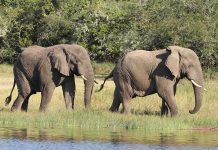
Wildlife encounters are often the reason for choosing a lodge near a national park. The property’s behaviour can influence those encounters. Ask whether staff discourage feeding animals, keep a safe distance from wildlife, and explain park rules to guests. Outdoor lighting, noise and the handling of food waste also deserve attention, particularly where animals move near the property.
Be cautious of offers that promise unusually close encounters or guarantee sightings through activities that appear to disturb animals. A responsible lodge should set realistic expectations. Wildlife is unpredictable, and protecting it sometimes means accepting a quieter experience.
Location matters too. A lodge built or expanded near a sensitive habitat should be able to explain how it manages its footprint. Staying near a park gate can also reduce unnecessary driving each day, depending on the activities planned.
Think about water, energy, and waste
Uganda’s lodges operate in varied settings, from towns with established services to remote areas where supplies and waste must travel long distances. Ask how the lodge gets water and what happens to wastewater. Find out whether it refills drinking-water bottles, separates reusable materials and disposes of rubbish responsibly.
Solar power can reduce reliance on generators, but it is only one part of the picture. A lodge may also save energy through sensible building design, efficient equipment and careful use of lighting. None of these measures needs to diminish comfort. Guests can help by turning off unused lights, taking reasonable showers and following the property’s waste guidance.
Food choices offer another useful clue. Menus that use seasonal produce from nearby farms may support local suppliers and reduce long supply journeys. Ask where ingredients come from rather than assuming that a “farm-to-table” description tells the full story.
Plan the whole journey responsibly
The choice of lodge works best as part of a thoughtful itinerary. Spending several nights in one area gives travellers more time to appreciate it and can reduce the pressure of repeated transfers. It also creates more opportunities to use local guides, visit community-run activities and eat at nearby businesses.
If arranging car rental in Uganda for a self-drive trip, plan realistic daily distances and follow park speed limits so the journey remains safer for people and wildlife.
Travellers can also ask a tour operator or lodge for help choosing activities that follow park rules. A good provider should explain the practical details, including travel time, what to bring and how to behave around wildlife and communities. Clear advice helps visitors make responsible choices once they arrive.
Make your booking decision with confidence
No lodge will meet every ideal, and a modest property may do excellent work without a polished sustainability page. Compare the answers you receive rather than relying on price, photographs, or marketing language alone. Look for specific examples, honest limits, and evidence that good practices are part of daily operations.
Before booking, ask three simple questions: How do local residents benefit from my stay? How do you manage your environmental impact? What do you ask guests to do to protect this area? A lodge that answers clearly gives you a stronger basis for choosing where to stay.
Responsible tourism is built through many ordinary decisions. Choosing a lodge that treats its staff fairly, works respectfully with neighbours, and cares for its surroundings makes a Uganda safari more rewarding for both visitors and the people who call the destination home.